Tiny Living Starter Guide:
How to Choose, Design & Downsize for Your First Tiny Home
Tiny living attracts people who seek a simpler life with less clutter, more freedom, and a closer connection to nature. You get a smaller space, a lighter footprint, and a tighter community. This lifestyle prioritizes experiences over possessions, sustainability over excess, and connection over isolation.
In this guide, we’ll walk you through the essentials of tiny living—from choosing the right location and home to designing your space and embracing the benefits of this lifestyle. Welcome to the world of small living!
Defining the Basics
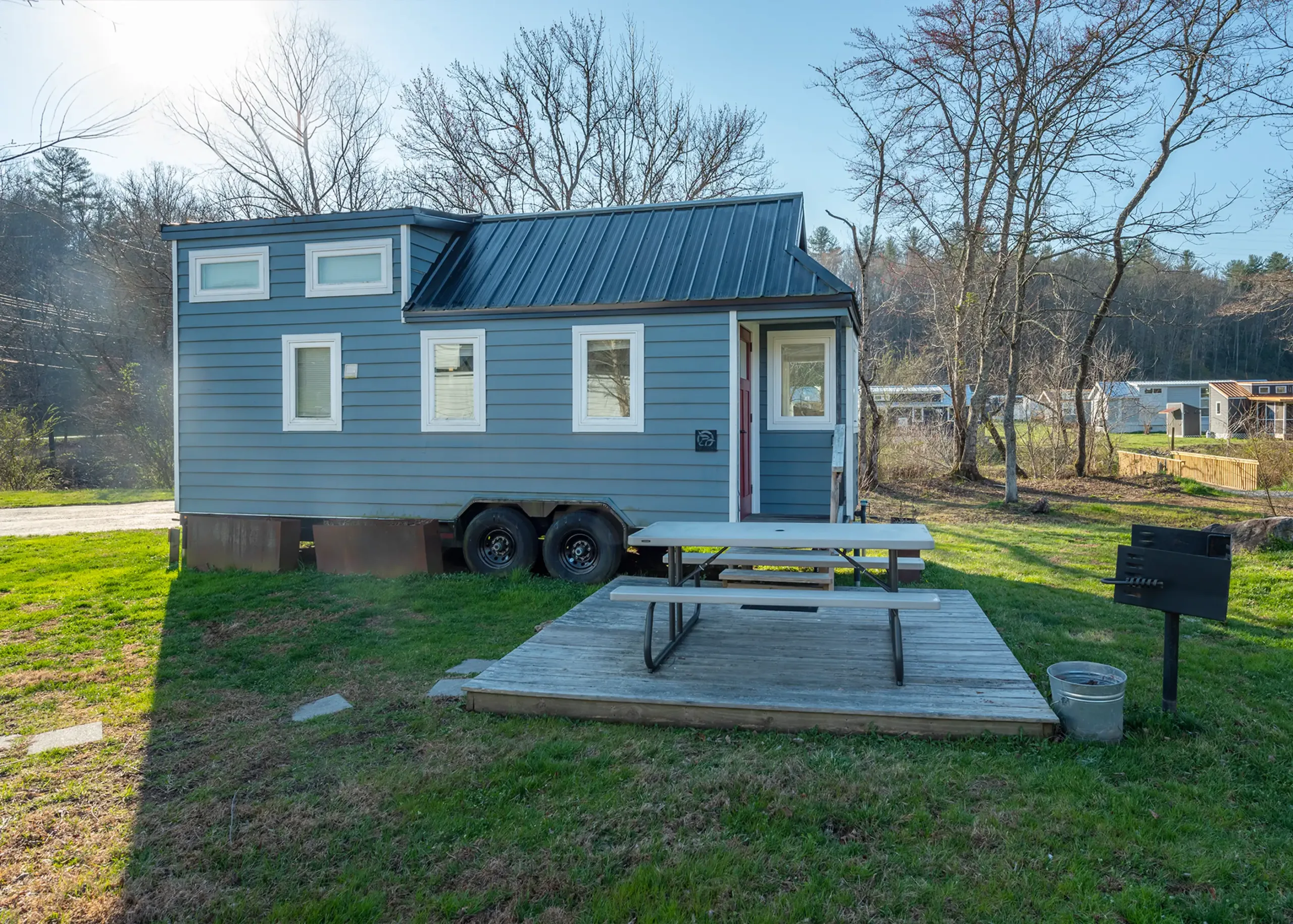
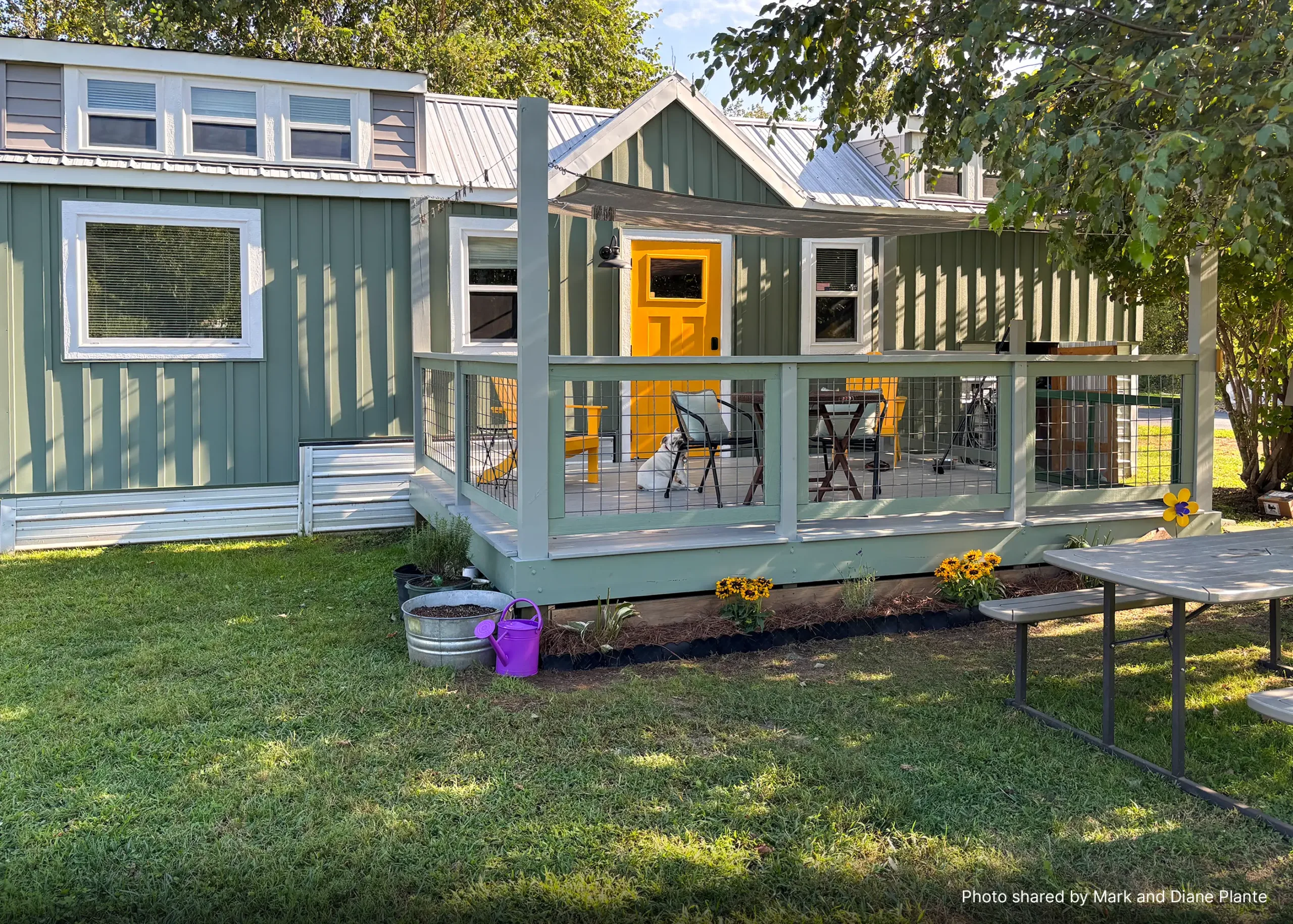
A tiny home is a compact, efficient space under 400 square feet, either on wheels or a foundation. These homes are designed to maximize efficiency and minimize environmental impact. The lifestyle you build around your tiny home focuses on what you use every day. You join a community where people value privacy, shared spaces, and a slower pace. You live close to nature and stay mindful of how you use space and energy.
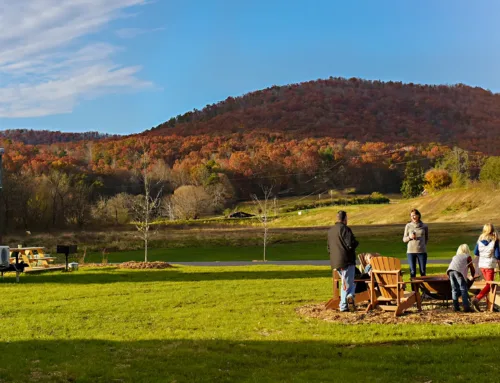
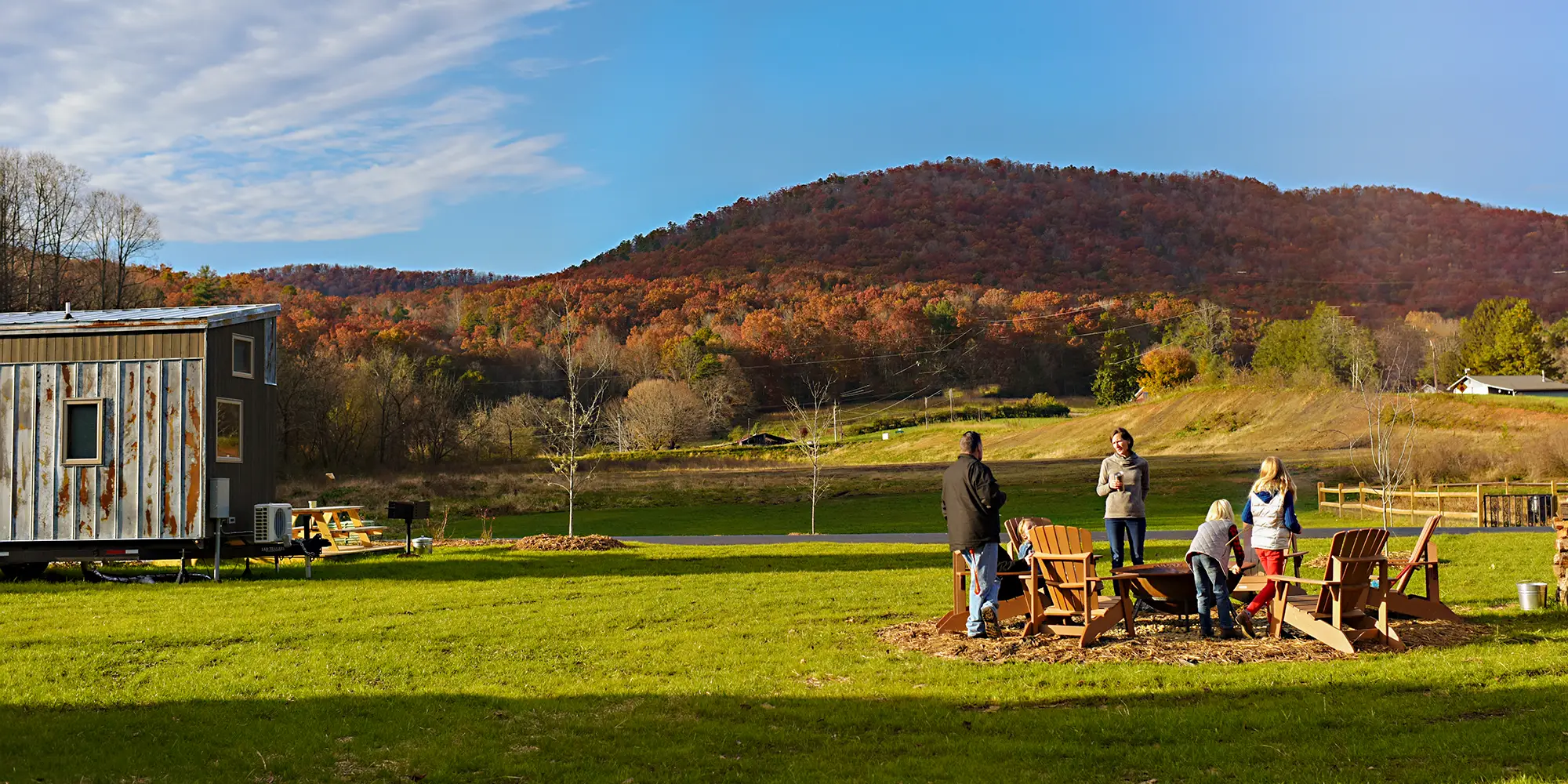
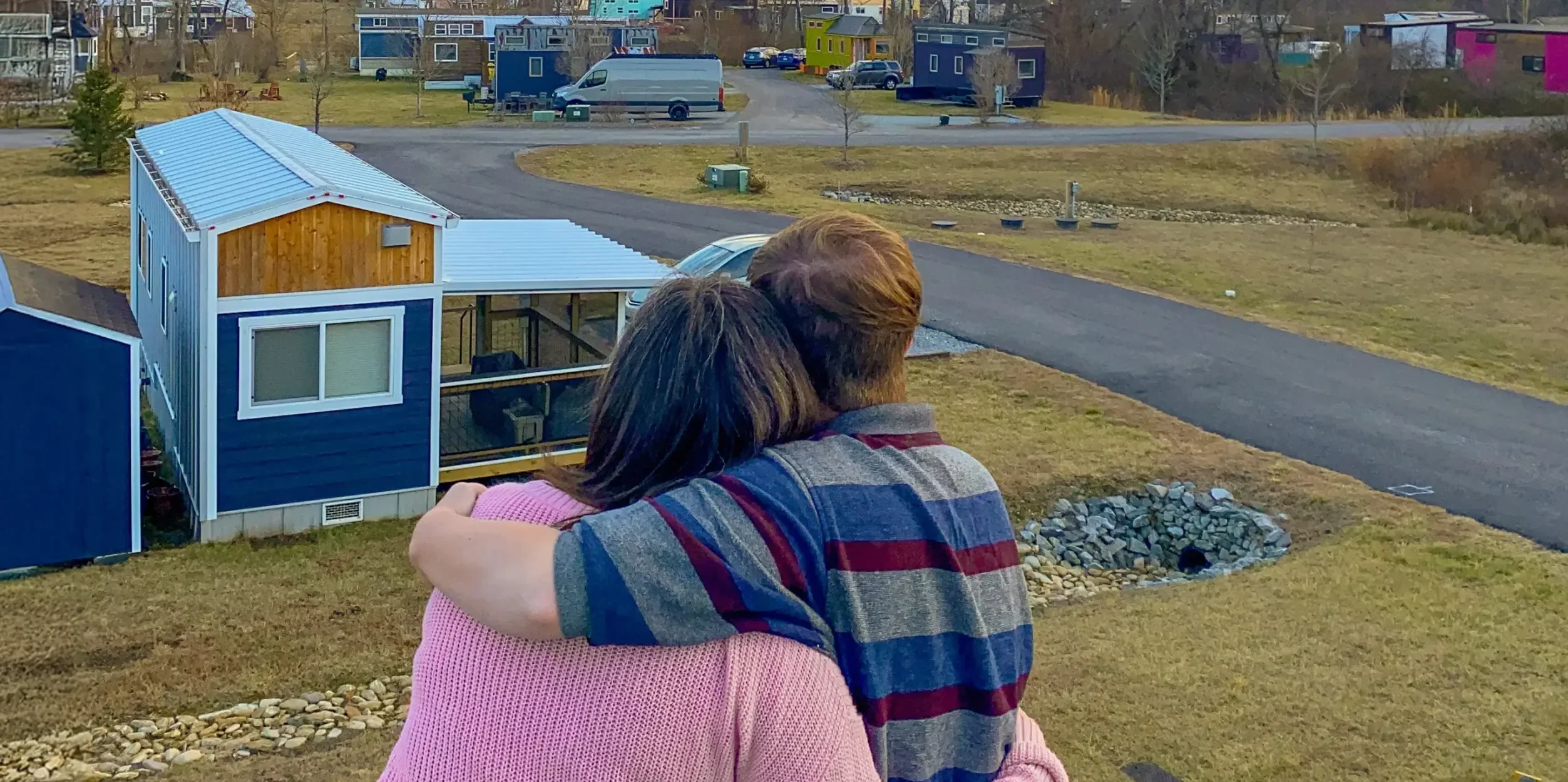
Living in a tiny home community blends privacy with social connection. You have a cozy space to retreat to, along with shared amenities like community gardens, outdoor gathering areas, and even fitness facilities. The culture often revolves around sustainability, simplicity, and neighborly support.
Choosing the Right Location
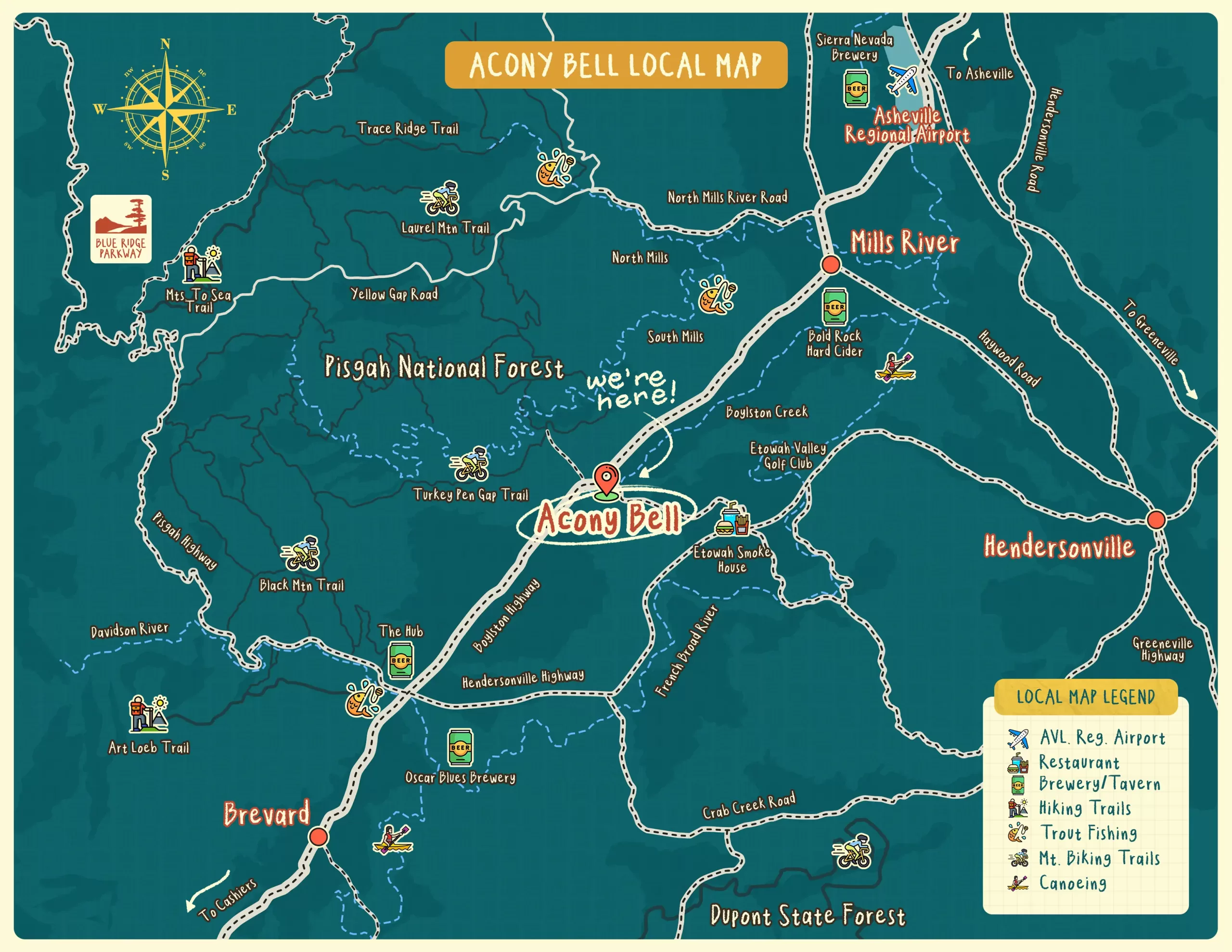
Location shapes your daily life. Consider the region, climate, proximity to work or family, and whether you want urban amenities or immersion in nature.
Some communities are nestled in the mountains, while others sit just outside busy cities. Visit the neighborhood by requesting a tour and researching online testimonials. Check distances to groceries, healthcare, and other essentials. Think about the community vibe—some cater to retirees, others attract young professionals or families, and some do a little bit of both.
When evaluating a location, consider the surrounding landscape and what activities matter to you. If hiking and outdoor recreation are part of your ideal lifestyle, look for communities near trails or national forests. If you prefer a balance of nature and convenience, seek out locations within a short drive of towns with shops, restaurants, and healthcare.
Climate matters too—mountain communities offer cooler summers but require preparation for winter weather, while warmer regions have different trade-offs. The right location supports the daily life you actually want to live.
Picking Your Tiny Home
Choosing your home is one of the most exciting steps. You can opt for a custom build tailored to your needs, a pre-built model ready for move-in, or even a pre-loved home with its own history.
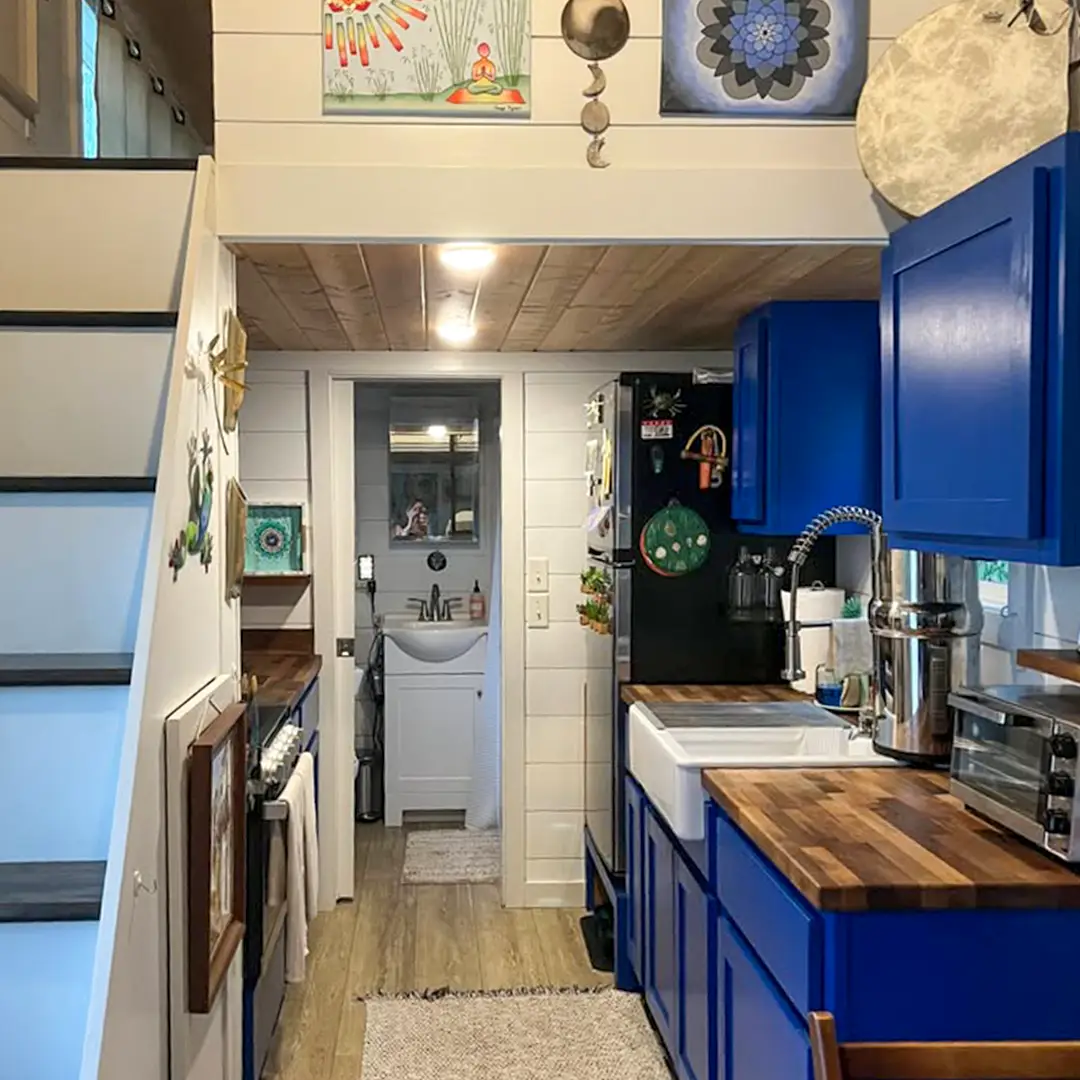
Custom homes give you full control, while pre-built homes save time. Options include tiny homes on wheels (THOWs), RV-style builds, or park models. Walk through multiple models and consider ceiling height, kitchen layout, bathroom space, and storage, as your daily habits and routine decide what layout works.
Here are some of our recommended builders based on resident feedback.
Designing Your Space
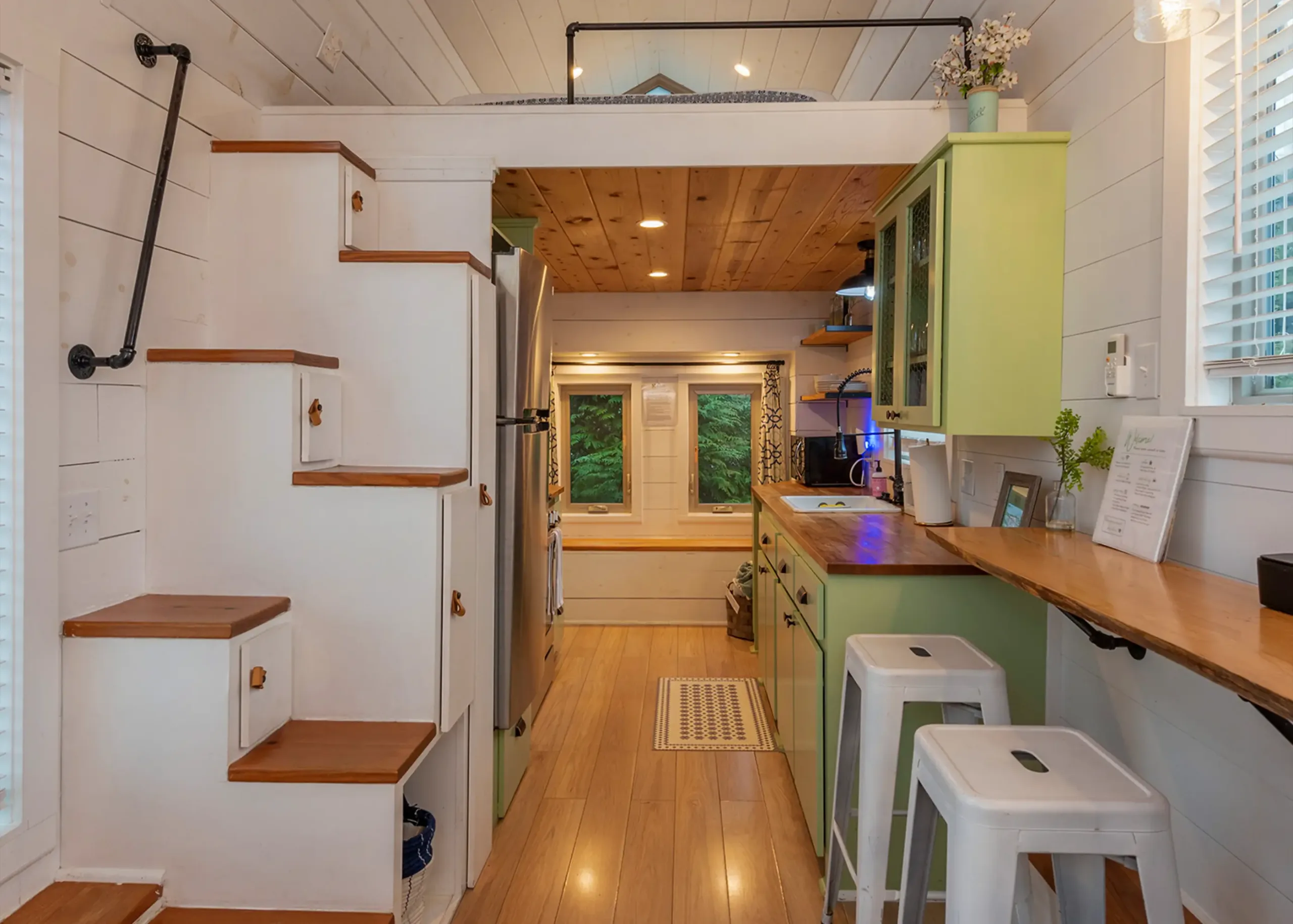
Every square foot counts in a tiny home. Use built-in shelving, multi-functional furniture, and vertical space to maximize efficiency. Choose a layout that supports cooking, working, relaxing, and maybe even hosting.
Select furniture that folds or stacks. Pick decor that is personal but functional. Use eco-friendly materials, energy-efficient appliances, and lighting to reduce costs and environmental impact. Small design choices can make a big difference in comfort and sustainability.
Understanding Costs
While tiny living often means lower overall costs, it’s important to understand the financial picture before you commit. Lot rent in tiny home communities typically starts at $550 and goes up from there, depending on location, amenities, and what’s included.
Some communities bundle utilities like water, sewer, trash, and property maintenance into your monthly rent, while others charge separately for electricity, internet, or cable. Ask upfront what’s covered; this varies widely and affects your true monthly cost. Beyond lot rent, factor in electricity (which you’ll usually pay directly to the utility company), any HOA-style fees, and whether amenities like community gardens, laundry facilities, or gathering spaces are included.
Research Before You Commit
Before leaping into tiny living, do your homework. Read reviews of tiny home communities you’re interested in, and browse blogs and videos from current residents to get an authentic feel for the lifestyle. If possible, visit the communities in person and even rent a tiny home for a short stay. This can give you a taste of tiny living and help you determine if it’s the right fit for you.
Benefits of Tiny Living
Tiny living offers many advantages. By downsizing your possessions, you can focus on what truly matters to you. Many tiny home dwellers find that they have more time and money to devote to experiences, hobbies, and relationships.
Smaller homes leave a lighter environmental footprint. You consume less energy, produce less waste, reduce clutter, and lower housing costs. You gain control over spending, create a lifestyle with fewer distractions, and keep only what supports your daily routine.
Getting Ready to Downsize
Once you’ve decided to embrace tiny living, it’s time to start downsizing. Make a list of items you use weekly and let go of the rest. Donate or sell what no longer serves you. Store important documents in one place and use clear bins and labels for essentials. A well-organized system from day one sets you up for success.
Conclusion
Tiny living is a path toward simplicity, lower costs, and a lifestyle built around what actually matters to you. By embracing the freedom of less, you open yourself up to more meaningful experiences, deeper connections with others, and a more sustainable way of life.
We hope this starter guide has given you a solid foundation to begin your own tiny living adventure. Welcome to the tiny home community—we can’t wait to see the life you’ll build.
P.S. Remember that downsizing takes time. Be patient with yourself as you adjust to living with less, and don’t be afraid to lean on your tiny home community for support and advice.
Interested in experiencing tiny living firsthand? Book a stay at Acony Bell to see what mountain community life is all about, or learn about our community nestled between Asheville and Brevard in the Blue Ridge Mountains.